

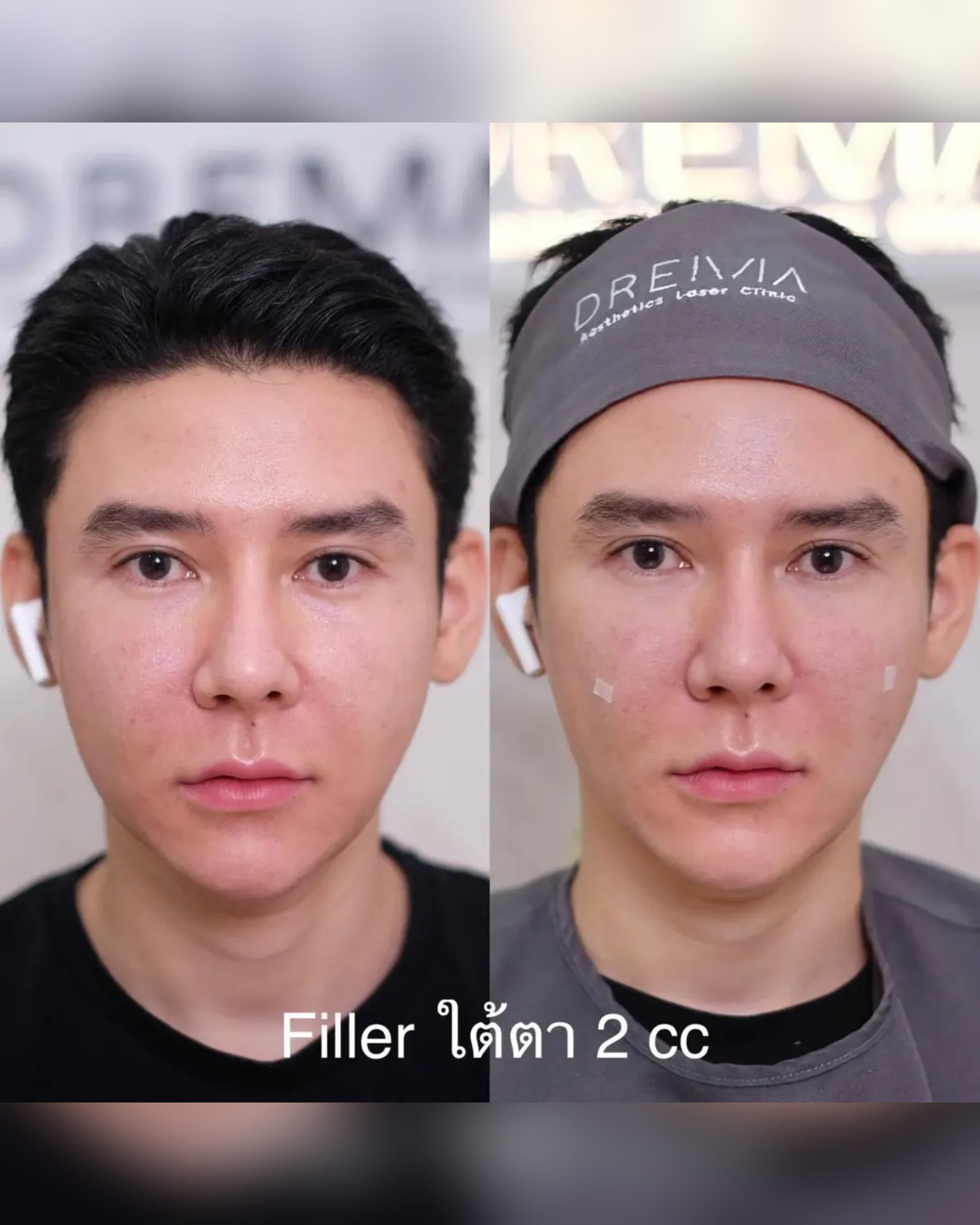
After under-eye filler treatment, care during the first 48 hours strongly affects smoothness, swelling control, and long-term aesthetic stability.
The key principles are avoiding pressure and heat, following physician instructions, and monitoring symptoms carefully during early recovery.
Why aftercare matters for under-eye filler
The under-eye area has thinner skin and is more prone to swelling. Inappropriate early care may delay settling and reduce contour smoothness.
What to do in the first 24-48 hours
- Use gentle cold compress as advised by your physician
- Sleep with your head elevated to reduce swelling
- Stay hydrated and rest sufficiently
- Monitor for unusual symptoms such as increasing pain or significant color change
What to avoid after under-eye filler
- Do not press, massage, or manipulate the injected area
- Avoid sauna, steam rooms, intense workouts, and excessive heat exposure
- Avoid alcohol in the early recovery period
- Avoid additional local procedures without physician review
Expected reactions vs warning signs
Mild swelling, tightness, or light bruising can occur initially and usually improve with time. Seek immediate medical review if pain worsens, skin color becomes abnormal, vision changes, or fever develops.
When does the result settle?
Results generally appear more refined after swelling decreases. Final smoothness depends on individual recovery and physician follow-up assessment.
Long-term safety principles
- Choose physician-led treatment with detailed periocular assessment
- Verify authentic filler product before every session
- Use a conservative, stepwise volume plan
Related reading
• Under-eye risk overview:Under-eye filler risks
• Commonly used filler comparison:Restylane Filler
• Another brand profile:Neuramis Filler
• Real under-eye outcomes:Under-Eye Filler Reviews
• Explore filler category:Filler
• Position-based subcategory:Under-eye Filler
Summary
Correct under-eye filler aftercare is essential for natural, balanced, and safer outcomes. Following physician guidance closely helps improve recovery quality and long-term result stability.